
The imbalance in
a split judgment
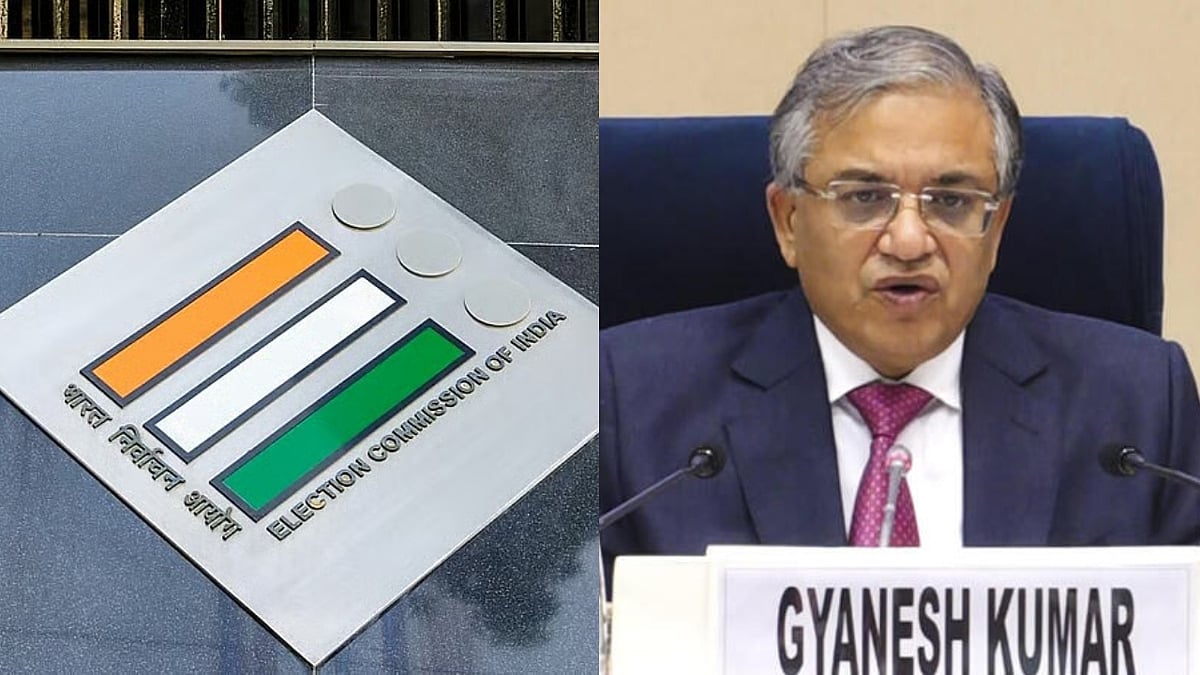
Recent media reports on the functioning of the Election Commission of India (ECI) have drawn attention to the Supreme Court judgment on appointments to the Commission and the legislation enacted to scuttle that judgment. The verdict in Anoop Baranwal vs. Union of India (2023) proposed a three-member selection panel for ECI appointments, comprising the Prime Minister, the Leader of the Opposition (LoP) in the Lok Sabha, and the Chief Justice of India (CJI). This was to ensure a fair and unbiased selection process. The government soon enacted a law replacing the CJI with a Union cabinet minister nominated by the Prime Minister. A challenge to the law has now resulted in a split verdict by a two-judge bench, which last week referred the matter to the CJI for the formation of a constitutional bench. Justice Dipankar Dutta felt that the minister’s inclusion diluted the panel’s autonomy, made the LoP’s presence “largely ornamental”, and the ECI must not only be independent but also “appear to be independent”. Justice S C Sharma noted that the constitutional issues involved deserved consideration by a larger bench.It is unfortunate that the Court could not defend a constitutional bench’s judgment in Baranwal and instead referred the matter to another constitutional bench. The two judges said they did not want further delays in the case, but the split verdict will enable the government to continue making appointments to the Commission following the present procedures. Gyanesh Kumar was appointed as a Commissioner after the bill passed and was later elevated as the Chief Election Commissioner (CEC). The rest is contentious electoral history, marked by institutional bias in favour of the Bharatiya Janata Party (BJP)-led government, leading up to the Special Intensive Revision (SIR) of electoral rolls, which disenfranchised millions and caused much trauma and inconvenience to the voters.The Supreme Court pronounced the Baranwal judgment after many years of petitioning for an independent selection panel for ECI appointments. The government neutralised that judgment within a few months. Now, it may take many more years for a final decision on the matter to emerge from the Court, though the judges said they wanted to avoid pendency. Many elections will have been held by then under the current system. The Court’s failure to strike down the 2023 law and uphold its own judgment would be considered a missed opportunity to establish a fair and impartial process for selecting the Election Commission.
Source: Deccan Herald
🔑 Key Takeaways
- Wire dispatch directly ingested from deccanherald.
- Published at Tue, 29 Sep 2026 19:28.
- Source URL: https://www.deccanherald.com/opinion/editorial/the-imbalance-in-a-split-judgment-4164510