
Redrawn boundaries: A policing challenge
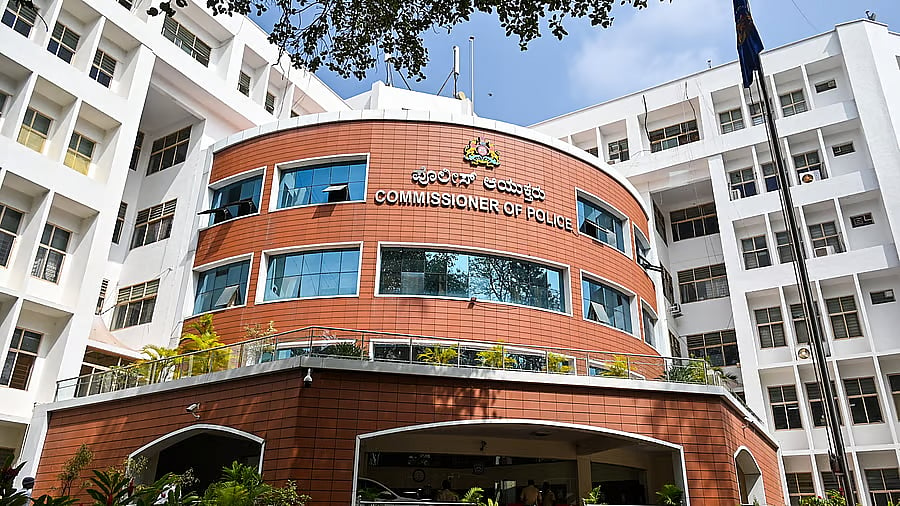
The proposal to split the Bengaluru City Police Commissionerate into five units deserves scrutiny before it becomes another fait accompli in the city’s administrative reorganisation. The plan envisages five territorial commissionerates, each headed by an officer of IGP or DIG rank, functioning under a Chief Police Commissioner whose post will be upgraded to the DGP rank. There is a reasonable case for decentralising policing in a city of more than 1.5 crore people that continues to expand geographically. A single commissionerate may no longer be best suited to oversee such a vast and complex urban region. Smaller jurisdictions could enable quicker decision-making, closer supervision of police stations, and more effective deployment of personnel based on local crime and traffic patterns. Aligning the police structure broadly with the Greater Bengaluru Authority’s five corporations could facilitate coordination between law enforcement and civic agencies. Greater field-level presence of senior officers could strengthen accountability and grievance redress.Bengaluru to get 5 police commissionerates: What works, what may notHowever, the proposal is not a straightforward replication of models adopted elsewhere. Hyderabad has four commissionerates, while Chennai has three. Each functions independently, with its commissioner reporting directly to the DGP. Bengaluru, in contrast, proposes five territorial commissionerates under a single citywide Chief Police Commissioner, retaining unified command while decentralising the force. This hybrid arrangement may offer advantages, but raises important questions. It could create a top-heavy hierarchy, while jurisdictional disputes, delays in inter-commissionerate operations, and difficulties in pursuing crimes that cross boundaries are genuine risks. Former police officers have also questioned whether a civic structure can simply be replicated in policing, since crime, law and order, traffic management, and emergency mobilisation do not necessarily follow municipal boundaries. Critics have suggested that the proposal could partly be intended to accommodate senior officials seeking postings in Bengaluru rather than being driven by operational necessity.The government should therefore undertake wider consultation before finalising the restructuring. The recently constituted police reform committees offer an appropriate forum for such an exercise. Equally important is the long-pending need for dedicated investigation wings in every police station. The quality of investigation and prosecution suffers when officers have to juggle law and order and other duties. Bengaluru needs police reform proportionate to its size and complexity, but structural reorganisation should deliver demonstrable improvements for citizens – not become an end in itself. A broader consultative process can help ensure that reform addresses the city’s most pressing policing deficiencies rather than merely adding layers to the chain of command.
Source: Deccan Herald
🔑 Key Takeaways
- Wire dispatch directly ingested from deccanherald.
- Published at Thu, 08 Oct 2026 20:35.
- Source URL: https://www.deccanherald.com/opinion/editorial/redrawn-boundaries-a-policing-challenge-4175709