
Shame and the second closet
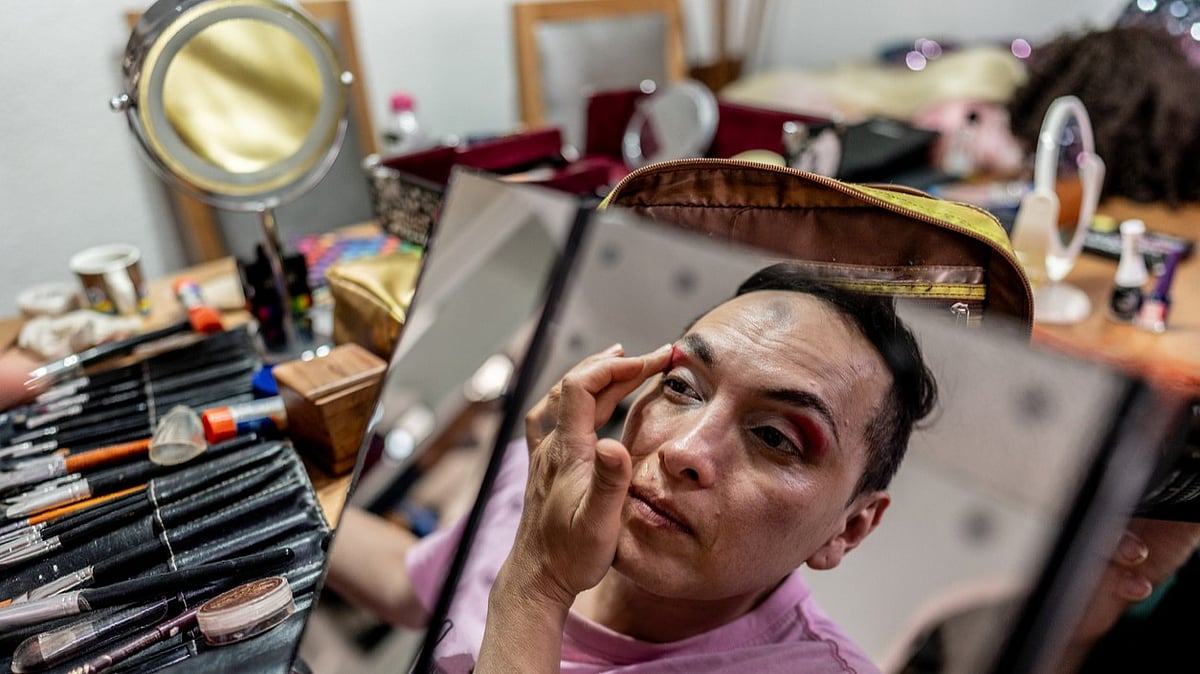
India’s drag performers, who employ costumes, makeup, and theatrical expression to present heightened and stylised portrayals of gender, embody bold expression, artistry, and identity. Their performances challenge societal norms, create spaces for self-exploration, and offer visibility to diverse gender expressions. Yet this visibility often comes with stigma, discrimination, and marginalisation, exposing a profound lack of mental health support tailored to their experiences.For many drag performers, identity is layered not only by gender and sexuality but also by class, caste, and regional realities. These intersecting identities often intensify financial precarity, as performers navigate inconsistent incomes, limited institutional support, and the high costs associated with their craft. Research shows LGBTQ+ individuals face significantly higher rates of anxiety and depression, while mental health concerns among trans people are up to 2.4 times more prevalent than in the general population. Yet queer-affirmative care remains difficult to access. Many mental health professionals hold pathologising views of queer identities, and conversion therapy, though officially condemned, persists in some pockets of the medical community.Anti-gender movement: Understanding the rise of global opposition to LGBTQ+ rightsFor many performers, makeup is not merely aesthetic; it is therapeutic. One drag queen told me, “When I paint my face, I don’t just become someone else; I become someone who can’t be touched by the world’s cruelty.” This transformation into a drag persona becomes a ritual of empowerment. Yet this duality can also be psychologically taxing. Many drag artists work conventional day jobs, suppressing aspects of their identities before embracing them through performance at night. Balancing these worlds often creates emotional strain and exhaustion.Drag performers navigate disclosures not only about their sexual or gender identity but also about their art form. Several performers shared that while family members may accept their queerness, drag is often viewed as “too much” or “shameful”, creating what feels like another closet. One performer explained: “My mom knows I’m gay, but she doesn’t know that I’m a drag queen. It’s harder to explain, harder to normalise.”Much like the hijra community, where mentorship and kinship pass down through gurus and chelas, drag performers often form chosen families. The concept of a “drag mother”, who mentors younger performers, provides not only artistic guidance but also emotional and financial support, and advocacy within the broader LGBTQ+ community. In cities like Bengaluru and Delhi, drag performers have credited their drag mothers with helping them survive depression, navigate homelessness, and recover from family rejection.Therapy and tabooDrag in India has gained visibility through social media, growing LGBTQ+ awareness, and venues that host drag shows, ramp walks, and drag-themed events. Despite this progress, conversations around mental health remain limited. Drag performers face stigma sometimes within queer spaces, where mental illness can still be taboo. Pressure to appear resilient, concerns about losing opportunities, and fear of judgment may discourage performers from discussing anxiety, depression, burnout, or emotional distress.At the same time, pockets of resistance are emerging. Community-led organisations, such as The Alternative Story in Bengaluru, provide queer-affirmative, trauma-informed counselling on a sliding-scale basis. Rainbow Voices Community Centre in Chennai offers free counselling, support groups, and legal aid. Organisations including Humsafar Trust in Mumbai and Sappho for Equality in Kolkata have long provided counselling and peer support, while Nazariya QFRG in Delhi offers counselling services specifically for lesbian, bisexual, and trans women. However, these services have limited reach.Cost, geography, and the shortage of queer-affirmative practitioners remain major barriers, particularly for LGBTQ+ individuals outside metropolitan areas. Queer-affirmative therapy is not simply about being open-minded. It requires specialised training, cultural sensitivity, and a commitment to understanding how sexuality and gender intersect with caste, class, religion, and other social realities.Several initiatives are helping advance this work. The Rainbow Respite programme offers queer-affirmative therapy, peer support groups, and psychoeducation led by practitioners who are themselves queer or neurodivergent.Within mainstream healthcare, some clinicians and institutions are helping create identity-affirming therapeutic spaces and inclusive care. Public-sector pathways also exist through India’s National Mental Health Programme, which provides counselling and psychiatric services through government hospitals and district mental health teams. Support is growing, but significant gaps remain. The challenge now is scaling queer-affirmative mental healthcare beyond a handful of organisations and practitioners into mainstream systems, ensuring that drag performers and other LGBTQ+ individuals never have to choose between being seen and being supported.The writer is part of the disability support team at Azim Premji University.(Disclaimer: The views expressed above are the author’s own. They do not necessarily reflect the views of DH.)
Source: Deccan Herald
🔑 Key Takeaways
- Wire dispatch directly ingested from deccanherald.
- Published at Thu, 08 Oct 2026 20:24.
- Source URL: https://www.deccanherald.com/opinion/shame-and-the-second-closet-4175707