
New Delhi: The coverage of protests by the Cockroach Janta Party (CJP) showcased the “crisis of credibility” in mainstream news channels and the “growing power” of independent digital voices and print media in sh…
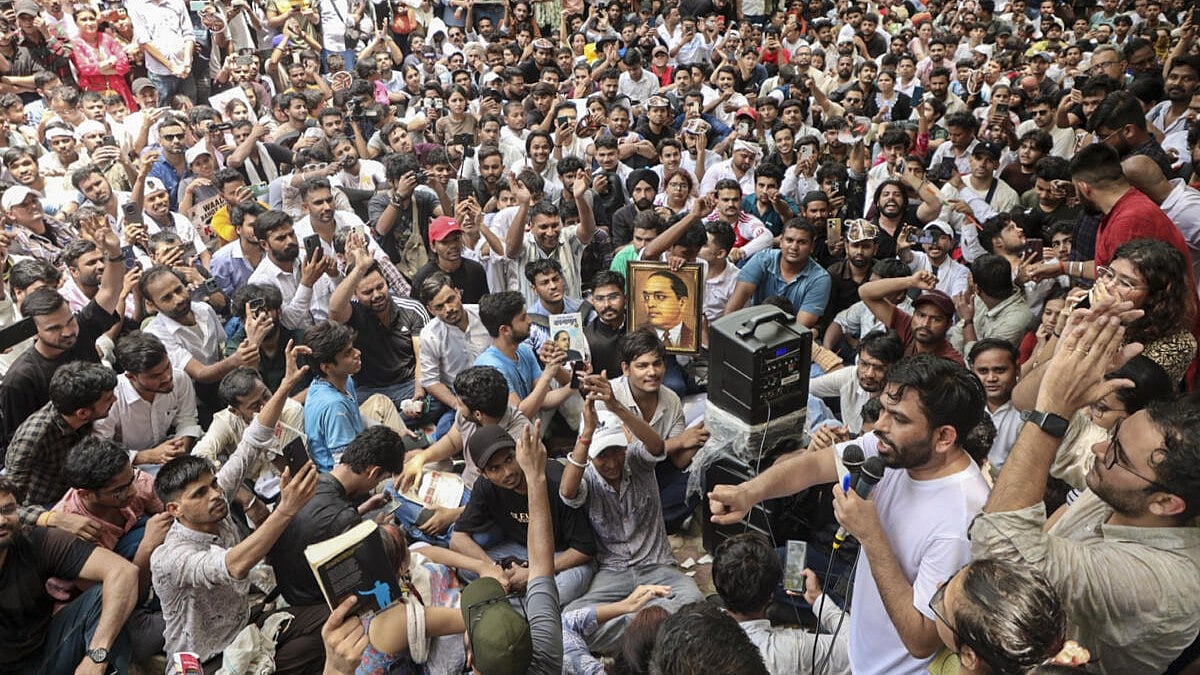
New Delhi: The coverage of protests by the Cockroach Janta Party (CJP) showcased the “crisis of credibility” in mainstream news channels and the “growing power” of independent digital voices and print media in shaping public narratives, a study by Editors Guild of India said on Monday.The ‘State of Media Report’ based on coverage of the CJP protests in the national capital in June-July that led to the resignation of Education Minister Dharmendra Pradhan said youth treated mainstream TV as “adversaries” by chanting “godi media”.DUSU results: CJP leader says most students against regime, questions opposition unityThe report was based on the coverage by Aaj Tak, ABP News, TV9 Bharatvarsh, India TV, independent digital media platforms, international outlets, The Indian Express, The Hindu, The Times of India, Hindustan and Dainik Bhaskar. “What emerges is a clear picture of a credibility gap: while TV struggled to hold public trust, independent digital platforms and print journalism became the spaces where student voices were heard and validated,” it said.According to the study, youth treated mainstream TV as “adversaries” while independent YouTubers amplified voices while print outlets legitimised movement through sustained ground reporting.Mainstream TV leaned toward hostile or conspiratorial framing, while independent and international outlets emphasised education failure and student voices, it said referring to news channels description of protesters as “goondas”, “anti-nationals”, “paid” and “political pawns” among others.Amaira death case: CJP questions award given to Jaipur schoolThis was when the print media described them as “youth pressure group” and “GenZ phenomenon” among others.“The CJP protests illustrate how media management and framing directly shaped protest dynamics. Mainstream TV under-covered and later delegitimised the movement. Hindi TV channels reinforced police or government narratives,” it said.“Independent and international outlets validated student grievances. Print newspapers legitimised the protest by documenting its chronology, human stories, and accountability demands,” it said.
Source: Deccan Herald
🔑 Key Takeaways
- Wire dispatch directly ingested from deccanherald.
- Published at Mon, 21 Sep 2026 12:39.
- Source URL: https://www.deccanherald.com/india/crisis-of-credibility-media-study-flags-tv-trust-gap-rise-of-digital-voices-during-cjp-protests-at-jantar-mantar-4153982