
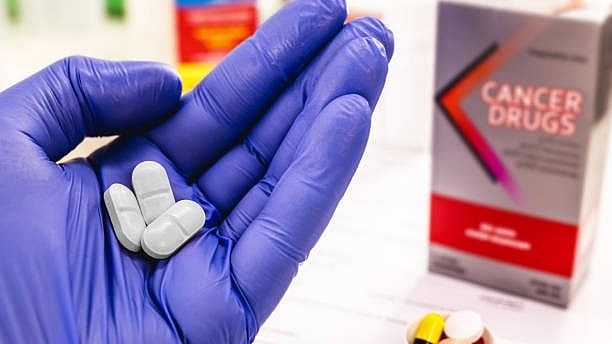
Fake cancer drugs
expose healthcare gaps
The seizure of fake, expired, and mislabelled cancer drugs and ICU injections in Bengaluru has exposed a disturbing vulnerability in the healthcare system: medicines meant to save lives can enter hospitals through apparently legitimate channels. The racket, allegedly spread across more than 90 hospitals, clinics, and pharmacies, involved repackaging cheap or expired formulations, counterfeit labels, and discounts of up to 50%. The drugs were sourced or manufactured across states — Telangana, Himachal Pradesh, Haryana, and Maharashtra — before being processed at a secret hub and distributed across Bengaluru. Such a network points to a serious failure of inter-state regulatory co-ordination. A rigorous probe into every link in the chain must now follow the arrests and seizures.The immediate concern is the patients who may have received these medicines. For a cancer patient coping with fear, pain, and uncertainty, discovering that a life-saving drug may have been counterfeit can inflict a second trauma. An ineffective or contaminated injection can allow the disease to progress or cause unexpected toxicity and infection. The consequences can also be indirect. If a patient fails to respond to treatment, doctors may wrongly conclude that the disease has become resistant, and prescribe stronger, more intense therapies. Hospitals must urgently identify all patients who received the affected batches and arrange clinical evaluation. Truth about blood cancer remission: Why relapse happens and how to monitor it?Those requiring corrective treatment must not be left to bear the consequences of a failure they did not cause. Equally important is to establish how institutional safeguards were defeated. A discount of 50% on expensive cancer or ICU medicines should have triggered scrutiny, not procurement. Yet forged invoices and licences, professional packaging, and off-channel procurement reportedly enabled supplies to pass routine checks. The episode raises questions about whether hospitals verify batch numbers with manufacturers, restrict purchases to authorised distributors and independently authenticate high-value medicines. The Centre has mandated QR codes or barcodes on critical drugs. The failure of hospitals to scan them — a step that could have exposed fraud at the purchase stage — points to negligence or even collusion that warrants a thorough investigation.Patients and families who have suffered harm also need legal assistance to pursue claims and seek appropriate compensation. The investigation must be meticulous enough to withstand judicial scrutiny. Every person who manufactured, repackaged, financed, transported, supplied or knowingly enabled the distribution of counterfeit medicines must be identified and prosecuted. This is not merely a drug-control failure. It is a breach of the trust on which medical treatment rests. Restoring that trust requires accountability, patient care, and safeguards that make it far harder for profit-driven criminal networks to turn vulnerable patients into victims.
Source: Deccan Herald
🔑 Key Takeaways
- Wire dispatch directly ingested from deccanherald.
- Published at Sun, 20 Sep 2026 21:19.
- Source URL: https://www.deccanherald.com/opinion/editorial/fake-cancer-drugs-expose-dangerous-gaps-in-healthcare-system-4153175