
When health experts want to study whether viruses are circulating in a certain community, they look for evidence in wastewater. Entomologist Dana Price applied the same principle and built a “mosquito toilet.” It was…
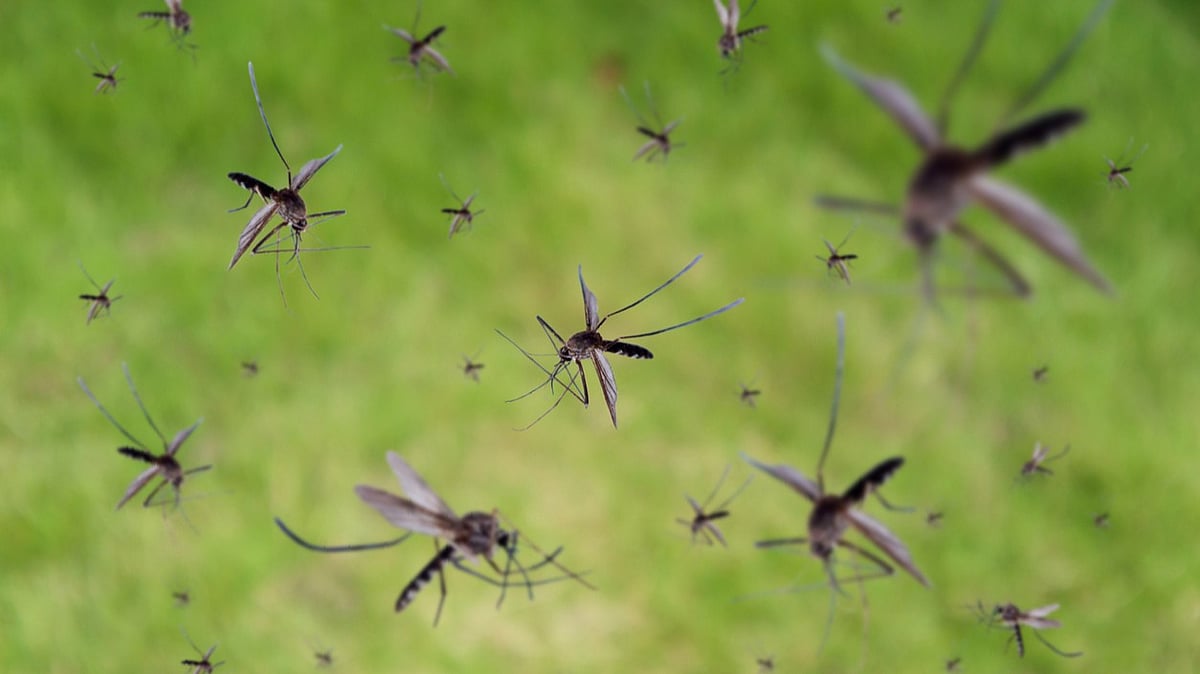
When health experts want to study whether viruses are circulating in a certain community, they look for evidence in wastewater. Entomologist Dana Price applied the same principle and built a “mosquito toilet.” It was an unconventional experiment to collect their waste and study it for potential health threats.Price, an associate professor in the School of Environmental and Biological Sciences and lead author of the study, published in Micorbiology Spectrum, created a 3D-printed funnel coated with a superhydrophobic (water-repelling) material that causes liquid to bead up and slide into a collection tube.Researchers collected two groups of wild Culex mosquitoes and placed each group in a container over the funnel. The mosquitoes were then fed a sugar solution, and waste was collected in a tube.Why reports suggest Google is set to release millions of mosquitoes into California, Florida? National Dengue Day | 85% mosquito repellent agarbattis unregulated, poses serious health concerns When mosquitoes feed on sugar, they excrete material that contains genetic traces of viruses and other organisms, the study explained. Using specially designed collection devices and modern genetic sequencing, researchers show that mosquito excreta can reveal a wide range of viruses and parasites while also identifying the mosquito species present. Findings suggest mosquito waste could become a powerful surveillance tool, allowing scientists to search broadly for familiar pathogens as well as threats they do not yet know exist, Price said.Eventually, by genome sequencing the material in mosquito waste, Price recovered a complete West Nile virus genome, found the first known evidence of a Hedwig-like virus in the Americas and detected several viruses that may be new to science. The approach also identified parasites and confirmed the mosquito species that deposited the waste droplets.The “mosquito toilet”Dengue isn’t the only monsoon threat; typhoid emerges as bigger concernThe global vector-borne disease landscape is changing rapidly. Nearly 30 per cent of global emerging infectious disease events are vector-borne, and that share has only increased over time. Recent outbreaks of mosquito-vectored arboviruses, including Dengue, Chikungunya, and Zika viruses, have gained significant attention and raised concerns regarding what will emerge next and where.The research points at factors responsible for shifting disease dynamics, like land development, migration, and climate change. These factors are concerning because they show no signs of subsiding and are likely to aggravate future outbreaks.This device is in its nascent stage, but researchers are making efforts to create field-ready traps that may be able to collect mosquito waste even outside laboratory settings.As stated, it may prove beneficial in early identification of viruses that might potentially create an outbreak. Moreover, it will allow concerned authorities to apply necessary preventive measures in the right locations to avert an epidemic.
Source: Deccan Herald
🔑 Key Takeaways
- Wire dispatch directly ingested from deccanherald.
- Published at Tue, 15 Sep 2026 16:01.
- Source URL: https://www.deccanherald.com/health/healthcare/scientists-built-a-mosquito-toilet-their-waste-reveals-west-nile-other-viruses-in-the-area-4147105